Archetypal meaning
Dreaming About Mirror
Overview
## The Archetypes
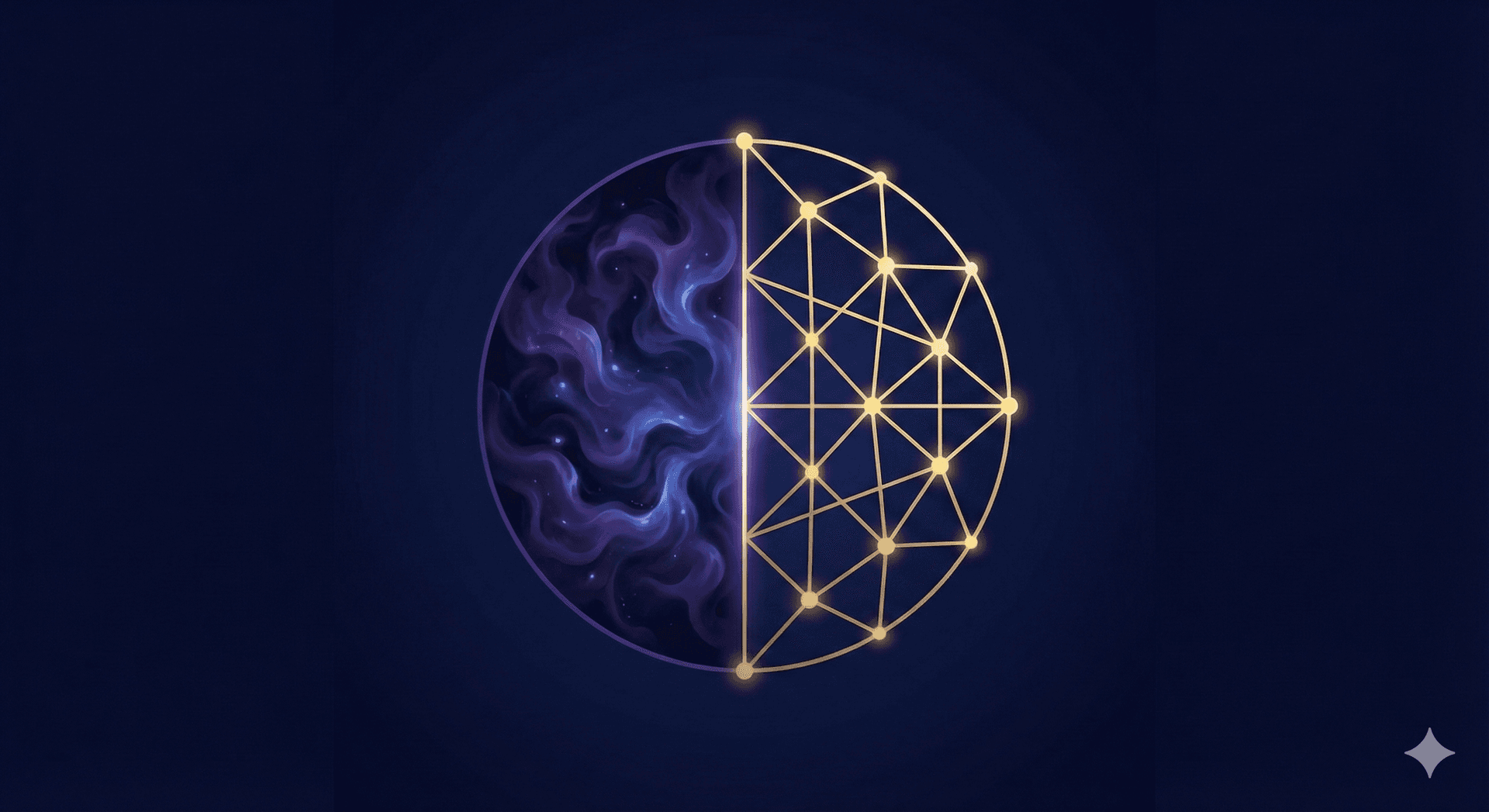
In Jungian psychology, the mirror is a profound symbol of the Self, representing the totality of the conscious and unconscious psyche. It connects to the archetype of reflection itself, a motif found across myths and cultures, from the pool of Narcissus to the magic mirrors of fairy tales. This universal symbol activates the fundamental human drive to seek self-knowledge and confront what is often hidden from ordinary awareness.
## Psychological Meaning
From a Jungian perspective, dreaming of a mirror is an invitation to engage with the process of individuation—the integration of unconscious aspects into consciousness. It often represents the "mirror of the soul," where the dream image reflects not just the physical self but the state of one's inner world, including shadow elements and unrealized potential. A Freudian reading might emphasize the mirror as a symbol of self-obsession, vanity, or a fixation on the ego's surface image, yet Jungians see it as a tool for deeper psychic reconciliation.
Common psychological associations include:
Self-Examination and Truth: The mirror confronts the dreamer with unvarnished reality, demanding honest self-assessment.
The Shadow: A distorted or frightening reflection often personifies the rejected, inferior, or unconscious parts of the personality.
The Persona: A clear, admired reflection may indicate identification with the social mask one presents to the world.
Duality and Opposition: Seeing an opposite or stranger in the mirror highlights internal conflicts or unrecognized aspects of the Self.
## The Mirror
The power of the mirror symbol lies in its universal resonance with human emotion and experience. It captures the simultaneous longing for and fear of truly seeing oneself, embodying the tension between who we are and who we believe ourselves to be. This symbol touches core experiences of identity crises, moments of sudden self-realization, and the often-uncomfortable journey toward authenticity, making it a uniquely personal yet shared element of the psychic landscape.
## Common Variations
A Cracked or Broken Mirror: Often signifies a fractured self-image, a perceived flaw in identity, or a disruption in one's worldview. It can also warn against excessive introspection that leads to fragmentation.
Seeing Someone Else in the Mirror: This powerful image suggests projection (seeing your own qualities in another) or the manifestation of a specific archetypal figure (like the Anima/Animus or Shadow) you need to recognize as part of yourself.
A Mirror That Won't Reflect You: Indicates feelings of invisibility, a disconnection from the Self, or an inability to perceive your own true nature or impact on the world.
Cleaning or Fixing a Mirror: Points to an active effort in self-reflection, striving for clarity of self-perception, and working to integrate unconscious material.
Multiple Mirrors or Infinity Mirrors: Suggests complex self-reflection, feeling trapped by one's own image or thoughts, or the endless layers of the psyche awaiting exploration.
Avoiding or Covering a Mirror: Represents a conscious or unconscious avoidance of self-confrontation, denial of a truth, or a desire to hide from one's own judgment.
A Distorted or Funhouse Mirror: Highlights a distorted self-perception, how you feel you are perceived by others, or the playful, grotesque, or exaggerated aspects of your personality you may be refusing to acknowledge.
## The Question
When you next encounter a mirror in your dreams, rather than asking what it predicts, consider this: which part of your Self, now hidden from your waking view, is seeking recognition and integration through this reflection?
Personal reading
Try a free interpretation
Add one sentence about your dream. We use this page's meaning of dreaming about mirror as starting context. You review the text before anything is submitted.
Expect a short reflection, not a clinical diagnosis. Signed-in free accounts get 3 interpretations per week.
Alternative path
Prefer to start from scratch?
Use the home page if your dream does not match this symbol.
Go to home page