Archetypal meaning
Dreaming About Laughing
Overview
## The Archetypes
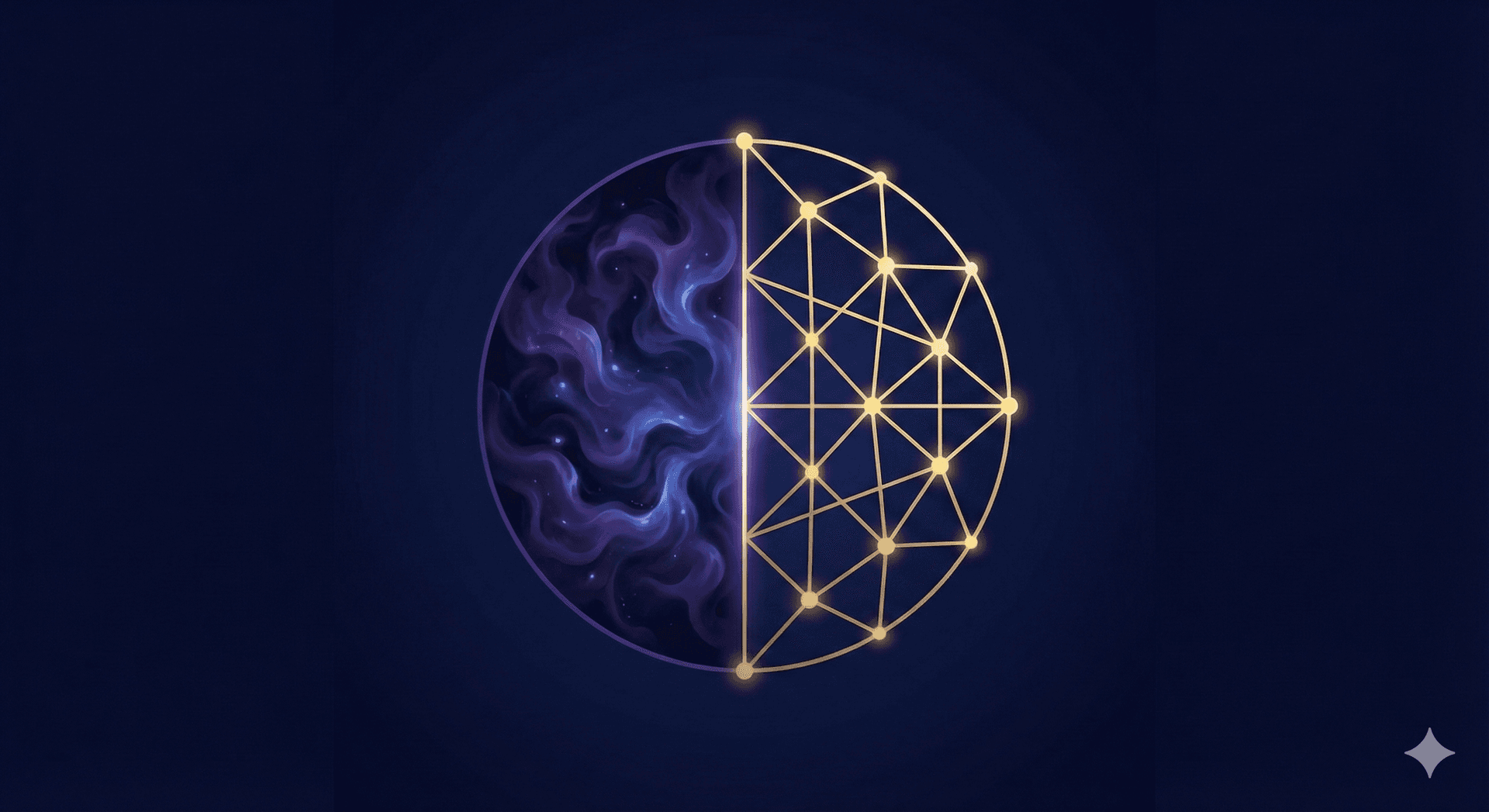
In Jungian psychology, laughter in dreams is most frequently governed by two powerful archetypes: the Shadow and the Trickster. The Shadow represents the repressed, unexpressed, or socially unacceptable parts of the self, and laughter can signal its sudden, often uncontrollable, emergence into consciousness. Simultaneously, the Trickster archetype, as a boundary-crosser and subverter of norms, uses laughter to destabilize rigid ego positions, revealing hidden truths through irony and absurdity. This archetypal laughter serves as a profound symbolic release valve and a catalyst for psychological transformation.
## Psychological Meaning
From a Jungian perspective, dreaming of laughter is rarely just about humor; it is a complex symbol of psychic energy in motion. It often represents the integration of opposites—a reconciliation between conscious attitudes and unconscious material. Freud might view it as a discharge of repressed psychic tension, but Jungian analysis sees it as a symbolic expression of the psyche attempting to restore balance and wholeness. It can signify the liberation of energy previously bound by inhibition, shame, or outworn personas.
Catharsis & Release: The dream-ego experiences a purging of pent-up emotions, often fear, anxiety, or grief, through the physical act of laughing.
Self-Realization: Uncontrollable laughter, especially at oneself or a seemingly serious situation, can indicate a sudden, intuitive insight that shatters a previous misconception or prideful attitude.
Confrontation with the Shadow: Laughing at something dark or taboo may represent the ego's initial, nervous encounter with its own repressed Shadow aspects, attempting to integrate them through a less threatening medium.
The Transcendent Function: As a symbol of joy or relief, laughter can mark the momentary emergence of the transcendent function—the psyche's innate capacity to resolve tensions and generate a new, more adaptive attitude.
## The Mirror
Dream laughter holds up a mirror to the most fundamental human experiences of tension, release, and connection. It reflects the universal struggle between the persona—the mask we wear for society—and the authentic self yearning for expression. Whether it is nervous giggles in a tense situation or joyous belly laughs among friends, the dream amplifies these everyday emotional currents, asking us to examine where in our waking life we are stifling our true reactions or where a genuine, liberating release is needed. It points to the profound human need for psychological equilibrium and authentic emotional expression.
## Common Variations
Laughing Uncontrollably Alone: Often signifies a major breakthrough or release of a long-held psychic tension that the conscious mind has not yet fully processed or acknowledged.
Being Laughed At: Typically points to feelings of vulnerability, exposure, or a fear of the judgmental gaze of others (the collective "They"), urging an examination of self-criticism or social anxiety.
Laughing at a Serious or Tragic Event: A powerful symbol of the Trickster at work, suggesting that your current conscious perspective on a "serious" life situation may be incomplete or that you are avoiding deeper, more painful emotions through defensive irony.
Silent Laughter or Laughing Without Sound: Indicates a joy, insight, or release that is felt internally but is not yet ready or able to be expressed outwardly into your life, perhaps due to environmental constraints or inner censorship.
Laughing with a Specific Person (Living or Deceased): Highlights the emotional dynamic or unresolved complex associated with that individual; laughter can symbolize reconciliation, shared understanding, or the integration of qualities that person represents to you.
A Crowd or Audience Laughing: Represents the influence of the collective—societal expectations, peer pressure, or the need for belonging. It asks whether you are laughing with your true self or merely conforming to the group.
Laughing So Hard You Cry: Symbolizes the ultimate integration of opposites—joy and sorrow, release and pain—suggesting a deeply transformative emotional experience that touches the core of the psyche.
## The Question
When you awaken from the dream, where in your waking life do you feel the echo of that laughter—is it pointing to a tension that needs release, a truth you are avoiding, or a part of yourself you are finally ready to acknowledge with compassionate humor?
Personal reading
Try a free interpretation
Add one sentence about your dream. We use this page's meaning of dreaming about laughing as starting context. You review the text before anything is submitted.
Expect a short reflection, not a clinical diagnosis. Signed-in free accounts get 3 interpretations per week.
Alternative path
Prefer to start from scratch?
Use the home page if your dream does not match this symbol.
Go to home page